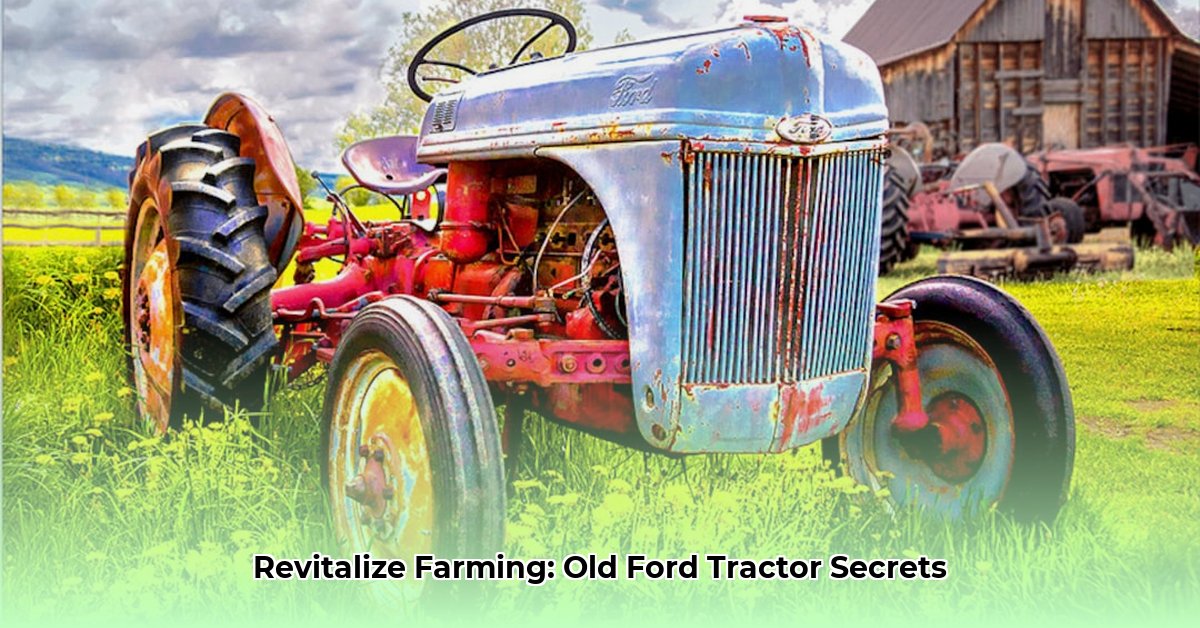
Old Ford Tractors: A Legacy in the Fields
The iconic rumble of an old Ford tractor, especially models like the 9N, represents more than just nostalgia; it embodies a pivotal moment in agricultural history. Before these machines, farming was intensely labor-intensive. The affordability and user-friendliness of Ford tractors revolutionized agriculture, empowering countless farmers with previously inaccessible technology. However, integrating these workhorses into the modern context of sustainable farming presents a complex challenge, one with both remarkable achievements and significant drawbacks. For more on specific models, check out this Ford Tractor resource.
These tractors dramatically increased farm efficiency and crop yields, contributing significantly to feeding a burgeoning global population. However, this efficiency came at a cost. Their heavy reliance on fossil fuels raises critical environmental concerns. Furthermore, the weight of these tractors often compacted soil, negatively impacting long-term soil health and its ability to sustain crops. Were these tractors ultimately beneficial or detrimental? The answer is nuanced and depends heavily on context.
Consider a farmer in the 1940s, experiencing a transformative leap in productivity. His grandson, however, might now be grappling with soil erosion and escalating fuel costs. This illustrates the complex legacy we must navigate. How do we balance the undeniable benefits of increased efficiency with the need for sustainable farming practices?
The Environmental Impact: A Critical Examination
The environmental footprint of old Ford tractors is a subject of ongoing scientific analysis. While precise comparative data across all tractor brands and eras remains incomplete, it’s clear their fuel consumption is relatively high. Can we label them definitively “sustainable”? Likely not. Does this negate their historical contribution to agriculture? Absolutely not. Farmers themselves understand the inherent trade-offs.
“The reality is these machines represent a significant part of agricultural heritage and are a testament to ingenuity,” says Dr. Amelia Hernandez, Agricultural Engineer at the University of California, Davis. “They increased efficiency, but their continued use presents significant environmental challenges demanding adaptation and innovation in modern farming.”
Keeping or Ditching Your Old Ford Tractor: A Practical Assessment
Deciding the fate of an old Ford tractor requires careful consideration. A practical first step is assessing individual needs and resources. Repairing existing equipment is often cost-effective, particularly in the short term. Maintaining a well-maintained tractor makes sound economic sense, especially when resources are limited.
However, for long-term sustainability, farmers should consider alternatives, such as retrofitting older models. This could involve upgrading fuel systems to utilize alternative fuels like biodiesel or improving engine efficiency through modifications. Such steps can extend the life of older machinery while lessening their environmental impact. While maintaining older models can be a viable strategy in the short term, for true long-term sustainability, many experts believe that transitioning to newer, more sustainable alternatives will be necessary.
Sustainable Farming: A Holistic Approach
Sustainable agricultural practices encompass far more than simply upgrading or replacing equipment. It's a holistic shift in farming methodologies. Several key elements are crucial:
Precision Farming: Utilizing technology for precision application of water, fertilizers, and pesticides optimizes resource use, reducing waste and minimizing environmental harm. This targeted approach ensures resources are only used where and when needed.
Conservation Tillage: Minimizing soil disturbance improves water retention, reduces erosion, and enhances carbon sequestration in the soil. This is pivotal for maintaining long-term soil health and mitigating climate change.
Integrated Pest Management (IPM): This holistic approach combines various pest control methods – including natural predators, crop rotation, and targeted pesticide application (only when absolutely necessary) – to reduce reliance on harmful chemicals, safeguarding both crops and the environment.
Renewable Energy: Transitioning to renewable energy (solar, wind, biogas) for farm operations minimizes reliance on fossil fuels, lowering the carbon footprint and improving air quality. This long-term investment is crucial for environmental responsibility.
Collaboration for a Sustainable Future
Transitioning to sustainable farming requires collective effort. Farmers, equipment manufacturers, policymakers, and researchers all play critical roles. Collaboration and innovation are essential.
| Stakeholder | Short-Term Actions | Long-Term Goals |
|---|---|---|
| Farmers | Repair/retrofit equipment; explore precision farming techniques. | Adopt sustainable practices; transition to renewable energy; improve soil health. |
| Manufacturers | Develop fuel-efficient and sustainable agricultural machinery. | Invest in zero-emission farm equipment R&D. |
| Policymakers | Provide incentives for sustainable practices and technology | Implement stricter emission standards for agricultural equipment. |
| Researchers | Conduct life-cycle assessments of farming methods and equipment. | Develop sustainable agricultural technologies and practices. |
The old Ford tractor serves not just as a symbol of agricultural history, but also as a reminder of the need to adapt. Its legacy compels us to embrace innovation while prioritizing sustainability for generations to come. We should learn from the past but build a better, more environmentally responsible future.